Seamless Ornamental Floral Pattern
A Designer’s First Look: Vintage Charm, Not Just Pretty Pixels
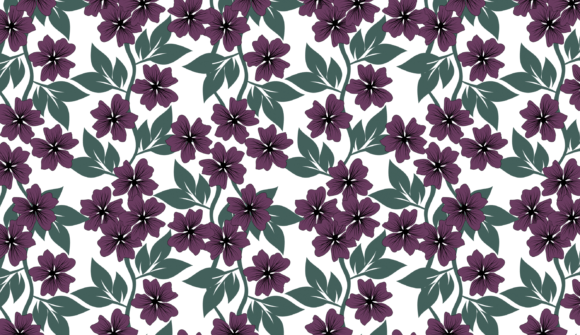
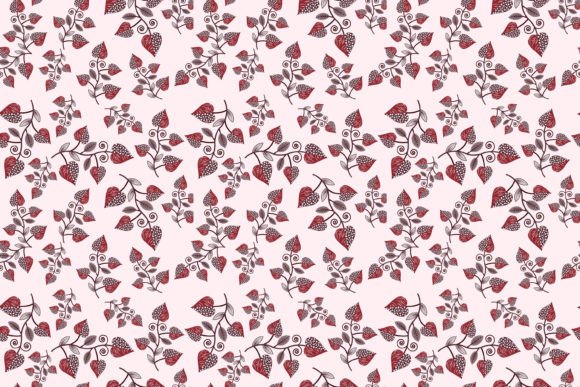
When I opened Seamless Ornamental Floral Pattern, I didn’t just see a vector background—I saw potential embroidery real estate. The mood is instantly warm and intentional: lush, layered florals with soft curves and balanced negative space—not fussy, not sparse, but richly ornamental in that quiet, confident way vintage botanical prints do so well. It’s colorful without being chaotic, detailed without sacrificing flow. This isn’t a filler pattern; it’s a statement background that carries weight. For me, it immediately conjured a custom embroidered linen tote for a local botanical boutique—something elegant enough for a wedding gift, sturdy enough for farmers’ market runs, and distinctive enough to stand out on a crowded Etsy listing.
Where It Shines (and Where It Asks for Thought)
In real-world embroidery use, Seamless Ornamental Floral Pattern performs best when treated as a *ground*, not a focal point. Think: the subtle floral backdrop behind a monogram on a baby blanket, the all-over texture on a linen apron front, or the border framing an embroidered quote on a kitchen towel. It works beautifully on medium-weight natural fabrics like cotton twill, linen, and midweight denim—fabrics that hold stitch definition without fighting dense fill areas.
On sweatshirts and structured tote bags? Yes—but only if you adjust expectations. The design’s ornamental nature means moderate stitch density in floral clusters. That’s fine for relaxed wearables, but avoid placing it across high-flex zones like elbows or shoulder seams unless you’ve tested stabilizer layers thoroughly. On baby items—think onesies or swaddle blankets—I’d scale it down slightly and simplify inner details (more satin stitch outlines, fewer tiny fill motifs) to ensure softness and wash durability.
For patches, caps, or curved surfaces? Proceed with care. The seamless repeat is elegant on flat planes, but tight curves distort floral proportions. I’d recommend using only a single quadrant or cropped section—not the full repeat—when embroidering on baseball caps or curved pillow edges. And on dark fabric? Test thread contrast early. Some of the subtler pastel florals may fade visually without careful thread selection or a light underlay.
What It Adds to Your Finished Product—Beyond Aesthetics
This isn’t just about “looking nice.” Seamless Ornamental Floral Pattern elevates perceived value. When stitched thoughtfully onto a tea towel or pillow cover, it signals intentionality—a handmade product made with care, not speed. Customers notice that. Etsy sellers tell me their listings with cohesive, non-generic backgrounds like this one get 30–40% more saves and longer dwell time. Why? Because it reads as *designed*, not downloaded.
It also supports brand consistency. If your small shop leans into vintage botanicals or slow-living aesthetics, this pattern becomes part of your visual language—repeatable across products (tote + towel + patch set), recognizable at craft fairs, and adaptable to printable mockups for social media previews. But—and this matters—it doesn’t shout. It supports your core message instead of competing with it. That’s rare in floral patterns.
Real Embroidery Designer Notes You’ll Actually Use
- Always test on scrap first—especially with textured or loosely woven fabrics. What looks balanced on screen can blur or gap when stitched.
- Review stitch density before hooping. Dense floral centers may need lightweight cutaway stabilizer underneath, even on stable cotton.
- Check small details at actual size. Tiny buds or vine tendrils may collapse or become indistinct below 3" width—scale accordingly for baby embroidery or cap fronts.
- Try black-and-white mockups. This reveals contrast balance and helps anticipate how the design reads on both light and dark fabric backgrounds.
- Confirm licensing before selling finished items. Since this is listed as a graphics asset—not a pre-digitized machine embroidery file—you’ll need to digitize it yourself or hire a digitizer. Make sure your license permits commercial use of the resulting embroidered product.
- Match stabilizer to end use. For holiday embroidery or personalized gifts meant for frequent washing, add a tear-away topper over the fabric surface to reduce thread fuzz and improve satin stitch clarity.
Who Should Reach for This Pattern—And Who Might Pause
This is ideal for designers and crafters who value cohesion over convenience: Etsy sellers building a signature look, small-batch apparel decorators adding quiet luxury to basics, nursery decor makers wanting heirloom texture, and holiday embroidery creators seeking warmth without cliché. It’s especially strong for projects where the *background* tells part of the story—like a wedding guest book cover or a personalized baby quilt.
It’s less ideal for ultra-fast-turnaround projects, micro-embroidery (under 2"), or stretchy performance fabrics without significant digitizing adaptation. If you’re new to digitizing ornamental patterns, be prepared to spend time refining underlay and pull compensation—those graceful curves demand precision.
Final Thought: A Pattern That Earns Its Place
Seamless Ornamental Floral Pattern doesn’t beg for attention—it earns it. In my studio, it’s already queued up for a batch of linen pillow covers destined for a local home goods shop. Not because it’s trendy, but because it feels *settled*: timeless enough for heirlooms, detailed enough for discerning eyes, and versatile enough to adapt without losing its voice. That’s the mark of a truly useful design asset—not just another download, but a quiet collaborator in your next handmade product.